

East German Pottery Vase
$195.00
1 in stock
Description
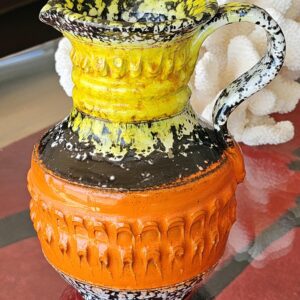
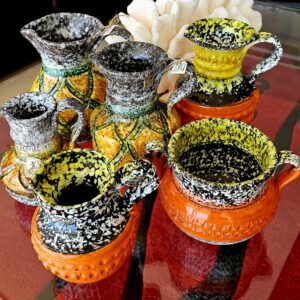
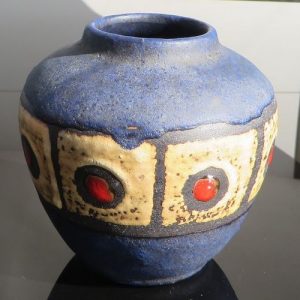
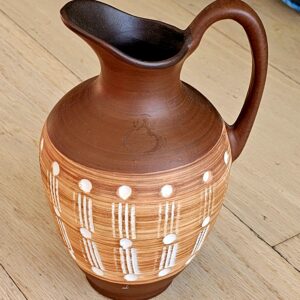
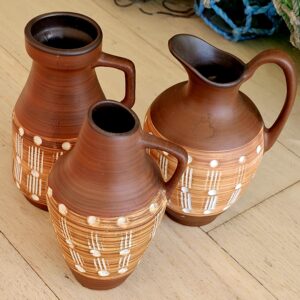
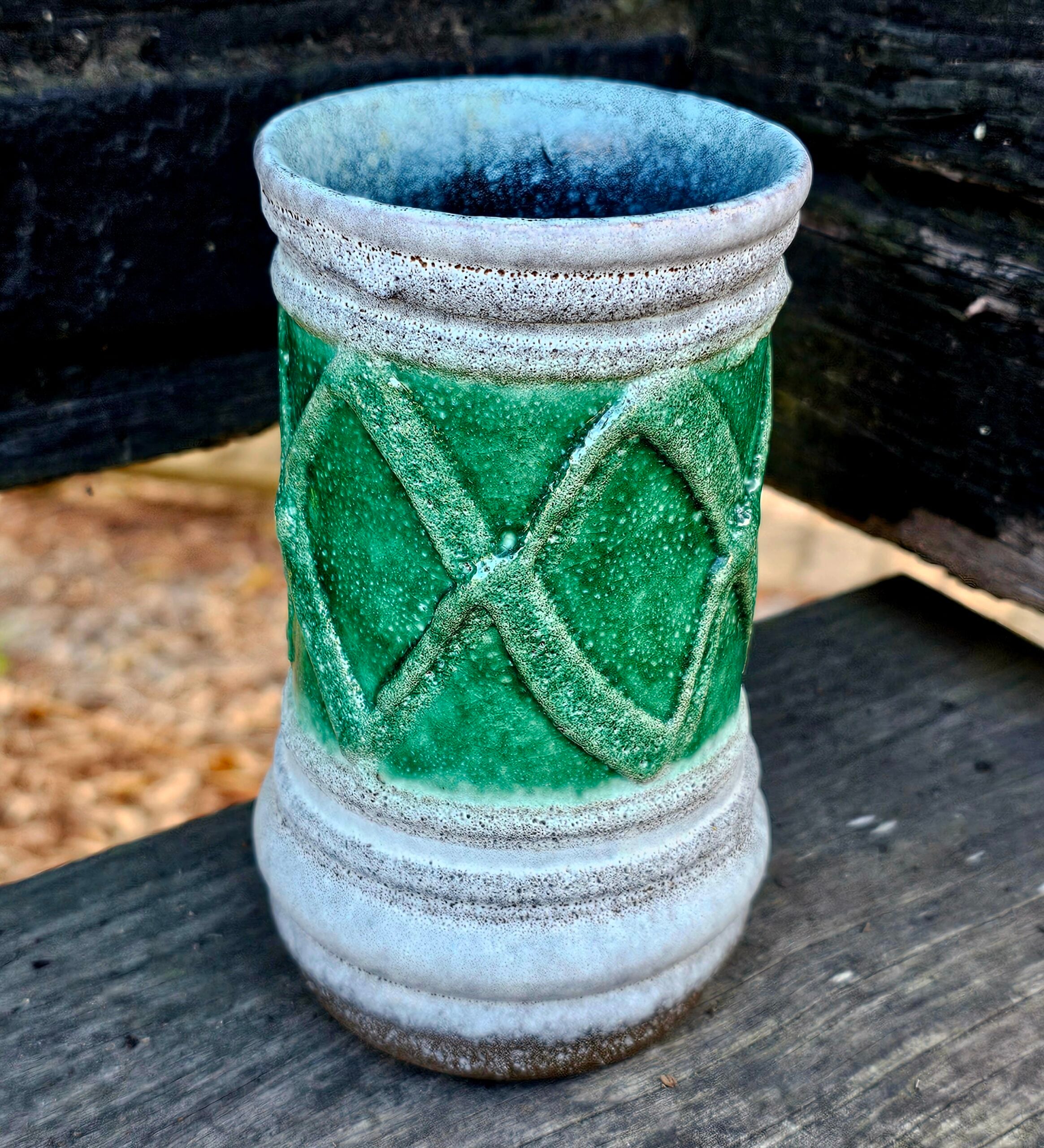
East German Pottery Vase. Measures 15cm in height. Circa 1949 – 1989.
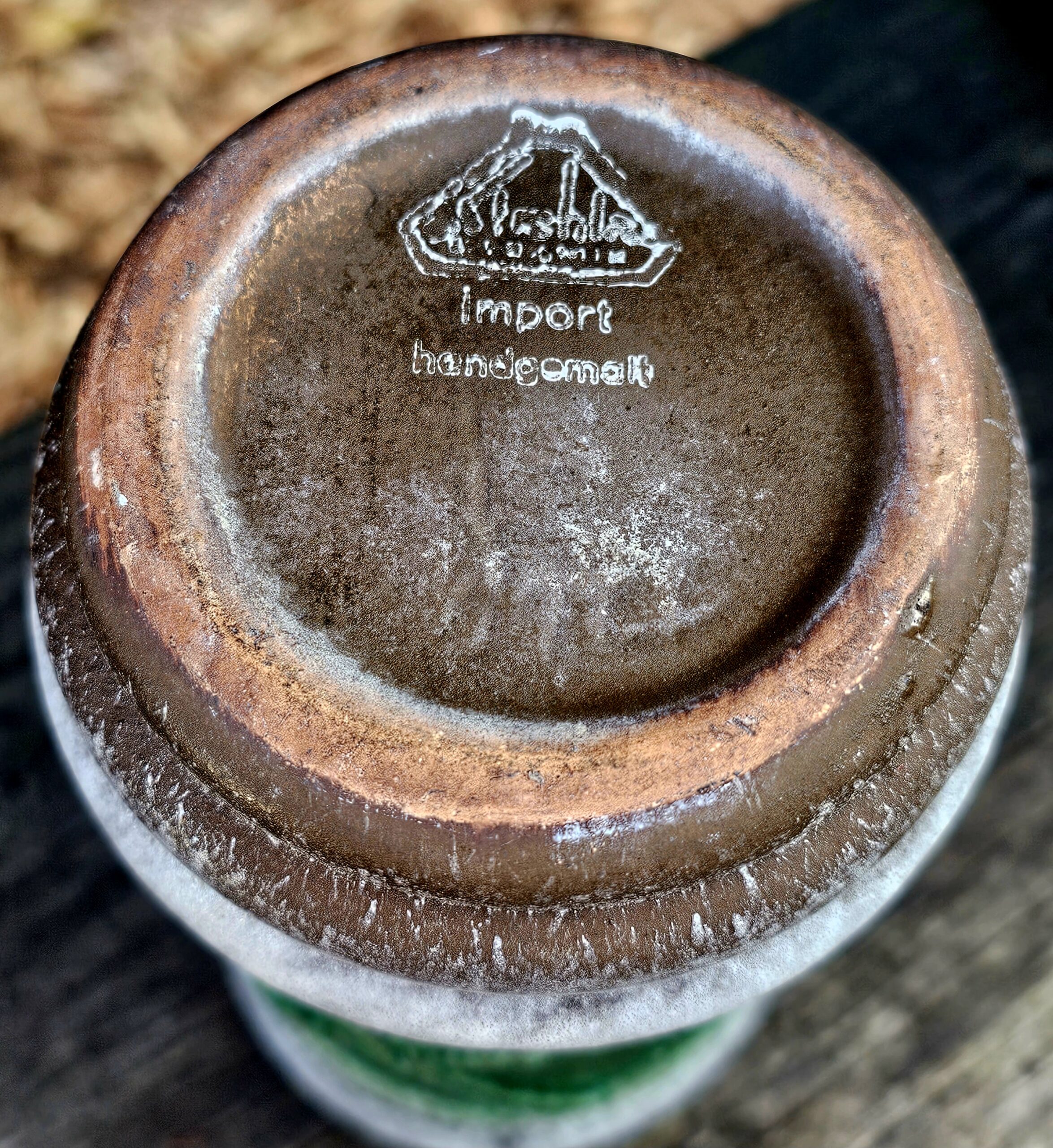
Made by Strehla Keramik they were a prominent East German pottery manufacturer, founded in 1828 in Dresden, likely named after the nearby town of Strehla in Saxony. Its ceramics share many stylistic and technical similarities with West German art pottery from the same era. Strehla’s decorative vases and lava glazes were exported widely and are often collected alongside West German pieces, reflecting the broader trends in German ceramic design from the 1950s to the 1980s. After World War II, Strehla became part of the German Democratic Republic and operated as “VEB Steingutfabrik Strehla” (Volkseigener Betrieb), a state-owned enterprise. The factory became known for its subdued, often brown clay vases and flower pots, which featured hand-applied glazes.
The Vitra Design Museum’s exhibition “German Design 1949–1989: Two Countries, One History” offers a panoramic view of what happened after The Wall went up. In West Germany, design became part of the “Wirtschaftswunder” economic miracle. Industrial design, including ceramics, stepped into a role as status symbol and consumer good, aligned with a capitalist economy.
In East Germany, design work, including ceramic design, was integrated into the socialist planned economy and centrally regulated by institutions such as the Office of Industrial Design. Ceramics had to be affordable and suited to mass production, yet East German designers still developed inventive objects and, later, sub-cultural aesthetics in areas such as ceramics and fashion.
After the 1989 fall of the Berlin Wall, much East German industrial production disappeared and many brand names vanished from the market.